
Factors That Determine Container Transport Costs
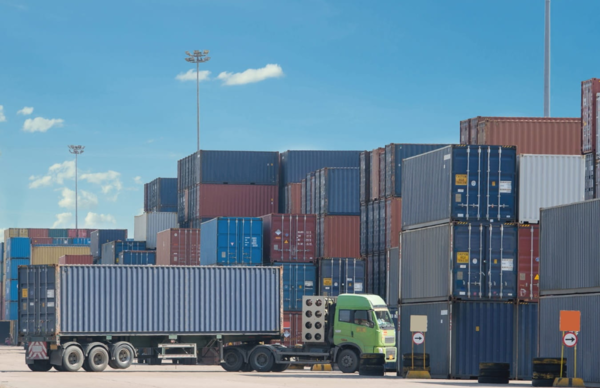
Quick answer: Container transport costs depend on distance, container size, cargo weight, equipment requirements, fuel levies, terminal fees, delivery timing, storage time, and whether specialist handling such as refrigerated transport is required. For Melbourne businesses, local port conditions, toll roads, heavy vehicle requirements, and peak freight periods can also affect the final price.
If you’ve ever received two wildly different quotes for the same container shipment, you’re not alone. Container transport pricing is not a one-size-fits-all formula. It is shaped by a wide range of variables that can push costs up or down depending on the specifics of your shipment.
For businesses importing or exporting goods through Melbourne’s ports, understanding these cost factors is essential for accurate budgeting, smarter logistics planning, and avoiding bill shock when the invoice arrives.
In this article, OFE Refrigerated Transport breaks down every factor that influences what you will pay for container transport, the hidden charges to watch for, and practical steps you can take to reduce your costs without compromising service quality.
Key Factors That Affect Container Transport Costs
1. Distance and Route
The most obvious factor contributing to container transport costs is how far your container needs to travel. Moving a container from the Port of Melbourne to a warehouse in Dandenong will cost considerably less than delivery to regional Victoria or interstate. Road access, traffic corridors, toll routes, and route complexity all play a role in the final price.
2. Container Size and Type
The size and type of shipping container can significantly influence the overall cost. Container transport prices vary depending on whether you are moving a standard 20-foot container, a 40-foot container, or a specialised unit. Refrigerated containers, open-top containers, and flat-rack containers typically attract higher rates due to the equipment, expertise, and care required to handle them safely.
3. Cargo Weight and Volume
Heavier loads mean higher fuel consumption, increased vehicle wear, and potential permit requirements for over-mass or oversize cargo. Weight directly influences transport cost, and exceeding legal limits can result in fines or mandatory special permissions, both of which add to your bottom line.
4. Fuel Levies and Surcharges
Fuel costs fluctuate constantly, and most reputable container transport companies in Melbourne include a fuel levy in their pricing. This levy is typically calculated as a percentage of the base rate and adjusts in line with changes to diesel prices. Always confirm whether a fuel surcharge is already included in your quote or added on top.
5. Port and Terminal Handling Fees
Before a container even hits the road, it passes through port or terminal handling. This can include stevedoring, storage, unpacking, and truck booking charges at facilities such as the Port of Melbourne. These fees are sometimes passed on to the transport customer, so it is worth clarifying upfront who is responsible for covering them.
6. Equipment Requirements
Not all containers can be moved using standard transport equipment. Several equipment-related factors can affect the cost of shipping a container, particularly when access, loading, unloading, or cargo requirements are more complex.
Specialised requirements may include:
- Side loaders
- Skel trailers
- Refrigerated transport units
- Crane trucks
- Tilt trays
The use of specialised equipment often increases operational costs due to equipment availability, maintenance, and operator expertise.
7. Temperature-Controlled Requirements
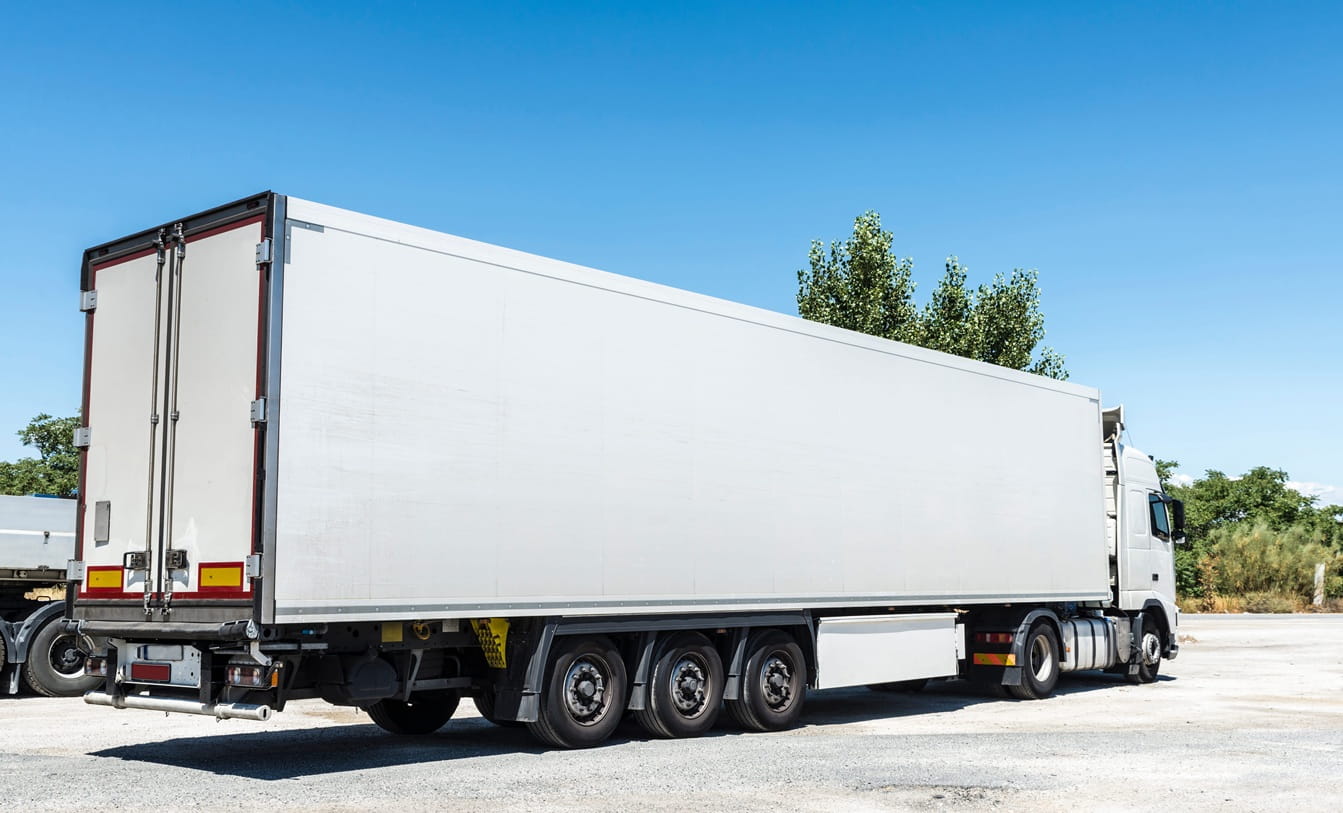
For businesses moving perishable goods such as fresh produce, dairy, pharmaceuticals, seafood, or frozen foods, refrigerated transport adds a significant layer of complexity and cost. Maintaining precise temperature ranges throughout transit requires specialised reefer vehicles, monitoring technology, and trained operators.
Cold chain note: If your cargo is temperature-sensitive, partnering with an experienced provider that specialises in refrigerated and container transport is critical for product safety, compliance, and cost control.
8. Detention and Storage Time
Most container handling arrangements include a set number of “free days” before additional charges begin. If your container sits at the port, depot, or on-site longer than the agreed free period, detention and demurrage fees can accumulate quickly.
9. Delivery Timeframes
Urgent deliveries usually cost more than standard scheduled transport. Same-day delivery, after-hours transport, weekend transport, and public holiday deliveries can all increase costs. Businesses can often reduce transport expenses by allowing flexible delivery windows where possible.
10. Seasonal Demand and Market Conditions
The transport industry experiences periods of higher demand throughout the year. Peak periods may include pre-Christmas freight surges, agricultural harvest seasons, unusual import/export spikes, and broader supply chain disruptions.
During high-demand periods, rates may increase due to limited vehicle availability and tighter scheduling capacity across container transport Melbourne operators.
11. Insurance and Cargo Protection
Standard transport coverage may not protect the full value of your goods, particularly for high-value or temperature-sensitive cargo. Factoring additional cargo insurance into your budget is strongly recommended, especially when the cost of damaged or spoiled goods far outweighs the premium itself.
Hidden Costs in Container Transport You Need to Know About
Even with a clear, itemised quote, unexpected charges can still appear on your final invoice. Here are the most common hidden costs to watch for:
- Detention fees — charged when a container is not returned to the port or depot within the agreed timeframe.
- Demurrage fees — applied when a container remains at the port terminal beyond its free storage period.
- After-hours delivery surcharges — added when deliveries are required outside standard operating hours.
- Fuel adjustments — mid-job levy changes that were not locked in at the time of quoting.
- Port congestion surcharges — additional fees that may apply during peak periods and flow through to customers.
- Documentation and compliance fees — including customs paperwork, AQIS inspections, or fumigation requirements for specific cargo types.
- Tolls and access charges — particularly relevant for routes through inner Melbourne or restricted freight zones.
Common mistake: Do not compare quotes by base rate alone. Always ask for a fully itemised quote that accounts for all foreseeable charges before committing.
Tips to Reduce Container Shipping Costs
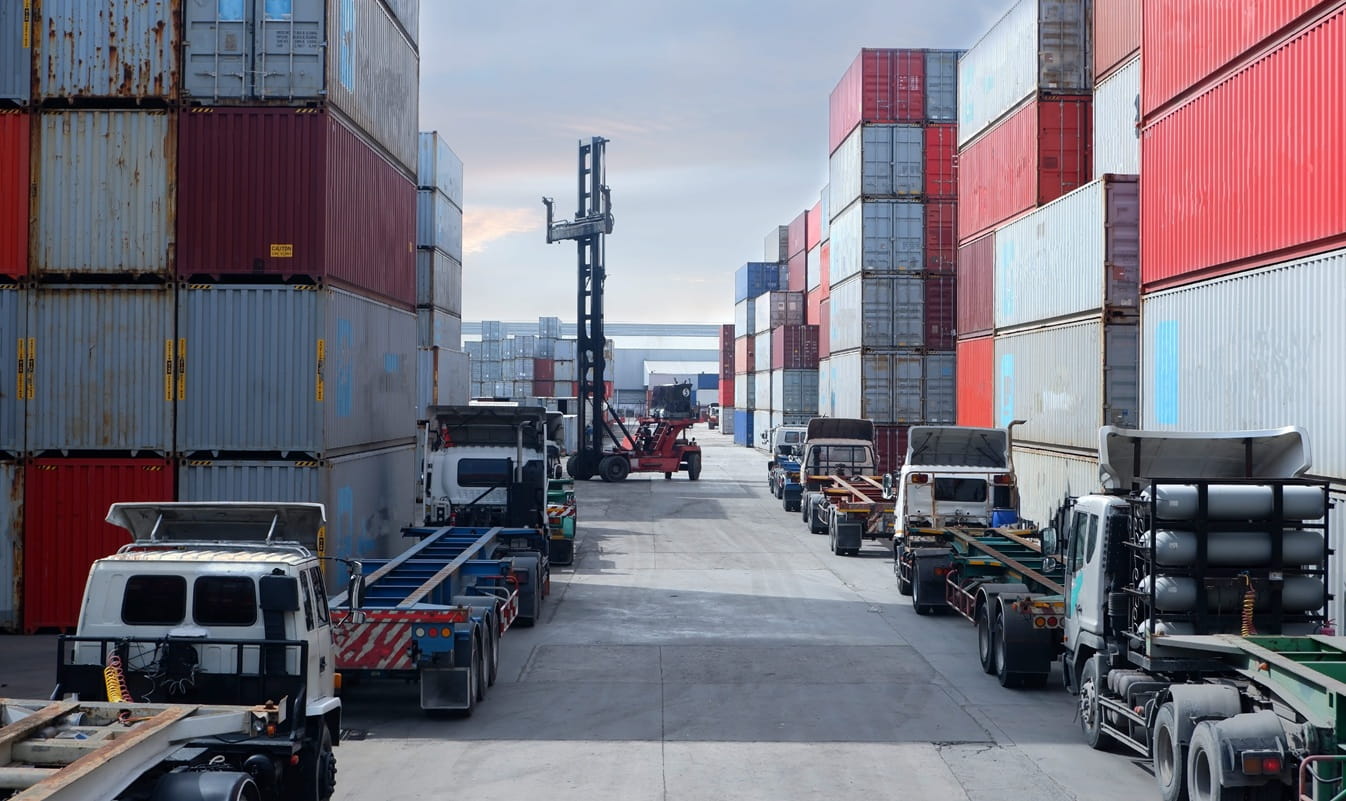
Reducing container transport expenses does not necessarily mean compromising service quality. The following steps can help lower your total cost while keeping freight movements reliable.
- Book in advance. Locking in your transport booking early gives providers time to schedule efficiently and often results in more competitive pricing.
- Consolidate shipments where possible. If you regularly move smaller loads, explore whether LCL (Less than Container Load) consolidation could be more cost-effective.
- Be flexible with timing. Avoiding peak periods and allowing flexibility in delivery windows can unlock lower rates from most operators.
- Minimise dwell time. Have your site prepared and ready to receive the container promptly to avoid detention and demurrage fees stacking up.
- Work with a specialist. For temperature-sensitive freight, partnering with a specialist like OFE Refrigerated Transport means you are not paying generalist rates for specialised work or risking cargo loss due to inadequate cold chain management.
- Review your insurance coverage. Get a clear picture of what your base transport coverage includes and supplement it where necessary without over-insuring.
Container Transport in Melbourne: What Local Businesses Should Know
Melbourne is one of Australia’s most important container freight hubs, with the Port of Melbourne supporting major import and export activity across Victoria. This makes the city a hub of opportunity, but also a complex logistics environment for businesses of all sizes.
Key local factors that influence container transport costs in Melbourne include:
- Port of Melbourne operations — truck booking systems, terminal congestion, and gate hours can affect turnaround times and overall costs.
- Road network considerations — inner-city restrictions, oversize load permits, and tolls on major freight corridors can add to route costs.
- Seasonal demand peaks — import and export surges around major retail seasons affect availability and pricing across providers.
- Victorian heavy vehicle regulations — state rules around mass limits, load restraint, and vehicle standards apply to container movements.
Working with established container transport companies Melbourne businesses trust can mean fewer surprises, better compliance, and more reliable delivery outcomes.
Partner with OFE Refrigerated Transport for Reliable Container Transport
Melbourne is one of Australia’s leading container handling hubs, making efficient transport services essential for importers, exporters, manufacturers, and distributors. Understanding the factors that determine container transport costs allows businesses to make smarter logistics decisions and avoid unnecessary expenses.
At OFE Refrigerated Transport, we provide dependable container transport services throughout Melbourne and Victoria. Our experienced team understands the complexities of port logistics, freight scheduling, refrigerated freight, and supply chain management, ensuring your containers are transported safely, efficiently, and on time.
Need reliable container transport in Melbourne? Partner with OFE Refrigerated Transport for professional, temperature-conscious container freight solutions. Learn more about our container transport services and speak with our team about your next shipment.
Frequently Asked Questions
Are there extra fees beyond the transport quote?
Yes. Potential additional costs may include detention fees, demurrage charges, storage fees, waiting time charges, terminal access fees, fuel levies, tolls, and after-hours delivery surcharges.
How can I reduce my container transport costs?
Planning ahead, minimising storage time, consolidating shipments, allowing flexible delivery windows, and working with experienced transport providers can help reduce overall costs.
Is refrigerated container transport more expensive than standard transport?
Yes. Refrigerated container transport is usually more expensive due to the specialised equipment, temperature monitoring systems, and expertise required. However, the cost of inadequate cold chain management — including spoiled goods, compliance failures, or rejected shipments — can far exceed the price difference of working with a qualified refrigerated transport specialist.
What is the difference between demurrage and detention?
Demurrage is a fee charged when a container remains at the port terminal beyond the agreed free period. Detention is charged when a container is held at a customer’s premises or depot beyond the contracted timeframe.
What affects container transport costs in Melbourne?
In Melbourne, costs can be affected by port terminal access, truck booking availability, road tolls, congestion, delivery distance, container size, cargo weight, time-sensitive delivery requirements, and whether refrigerated or specialised handling is needed.