
Essential Summer Fleet Maintenance Tips

Summer is not something that Australia feels gradually, but rather hits it full force, with heat, longer days, and the pressure to perform. For those who rely on their fleet to operate on a daily basis, summer is the season that can either make or break a business.
Rather than waiting for problems to occur, forward-thinking fleet managers start planning early. Seasonal maintenance is not just about checking the box; it’s about understanding the impact of heat on all the components of a vehicle.
Understanding How Heat Impacts Fleet Vehicles
It has a way of revealing weaknesses that are quietly tolerated by milder weather. Engines are taxed, fluids evaporate, tyres balloon, and batteries deteriorate at an expedited rate. When fleets are run hard every day under these circumstances, even well-maintained fleets are subject to unexpected downtime if summer-related risks are not addressed.
The problem with summer, however, is that issues tend to escalate rapidly. For instance, an underperforming cooling system may not only cause an engine to overheat, but it may also damage seals, thereby reducing the life of an engine. The first step towards effective fleet maintenance in summer, therefore, involves understanding the risks.
Cooling Systems
The core of the summer reliability is the cooling system, which comprises the radiator, hoses, coolant reservoirs, and thermostats. The system is important for the engine's reliability in that it ensures the engine runs within a particular temperature range. In case of a problem in the cooling system, the engine is likely to overheat, particularly during stop-and-go traffic or when carrying heavy loads.
In terms of proactive maintenance, it is essential to check the coolant levels, concentration, hoses, as well as ensuring that the radiator fins are clean and clear of obstruction, as a small leak in the coolant can cause a problem, especially with rising temperatures, which can turn a simple delivery run into a costly repair job.
Tyres and Road Contact in Hot Conditions

Tyres are not usually given much consideration until something goes wrong, yet they are perhaps one of the weakest parts of a car during the summer months, as high temperatures cause air pressure to rise, especially for tyres that are not properly inflated.
Regular tyre pressure checks, which should be done in the morning before the vehicle is driven and the tyres get hot, also help to ensure proper tyre pressure. Tread depth checks, tyre sidewall condition, and wheel alignment also contribute significantly to the prevention of tyre blowouts. A tyre maintenance regime is not only important for safety but also for better fuel efficiency and handling.
Engine Oil, Fluids, and Lubrication
As temperatures rise, engine oil breaks down more quickly, losing its ability to lubricate effectively. Thin or degraded oil increases friction, accelerates wear, and can lead to overheating or engine damage under heavy workloads.
Summer is a good time to review the oil change intervals. Also, the grade of the oil being used in the vehicle should be verified. In addition, the transmission fluid, brake fluid, power steering fluid, and the coolant need to be checked. Fluids in a vehicle can be considered the lifeblood of the vehicle, and failing to maintain the fluids in a vehicle during the summer can be costly.
Battery Health and Electrical Systems
While battery problems are commonly linked with winter, the truth is that heat in the summer is one of the largest battery killers. This is because heat accelerates the chemical processes that occur inside a battery, shortening its life.
Battery testing should be included in a checklist of summer maintenance. This will help to check terminals for corrosion, verify that connections are secure, and check charging systems to ensure that alternators are working properly.
Brake Systems Under Summer Stress

There are a few parts of a vehicle that work as hard during the summer months as the brakes. The increased weight, frequent stopping, and heat all take a heavy toll on the braking system.
Regular checks should be made on the condition of the brake pads, rotors, callipers, and the condition of the brake fluid. Brake fluid is subject to moisture absorption over time, and heat can also impair the effectiveness of the fluid, which can lead to increased stopping distances. The braking system should be in the best condition for the safety of the driver, the goods, and all road users.
Air Conditioning and Driver Comfort
The comfort of the driver is not a luxury; it is a safety issue. Ineffective air conditioning systems cause fatigue, which leads to reduced concentration and even impacts the reaction time of the driver during long summer working hours.
The maintenance of the air conditioning systems before the season ensures that the system has enough refrigerant, the compressor is functioning correctly, and the airflow is strong. This ensures the driver's comfort, which translates into higher productivity and lower chances of errors.
Refrigeration Units and Temperature-Sensitive Deliveries
For refrigerated fleets that carry perishable products, summer seasonality brings another challenge to the table. Refrigerated units must perform to keep their interiors cool, despite the extreme heat outside, the constant opening and closing of the doors, and the length of the route.
Some of the things that need to be checked during the maintenance of the refrigeration unit include the compressor, the seals, the sensors, and the integrity of the insulation. A single mistake can cause the entire batch to go bad, resulting in legal and customer service issues. For refrigerated delivery services, the condition of the vehicle and the refrigeration unit are critical, especially during the peak summer season in Australia.
Load Management and Vehicle Weight
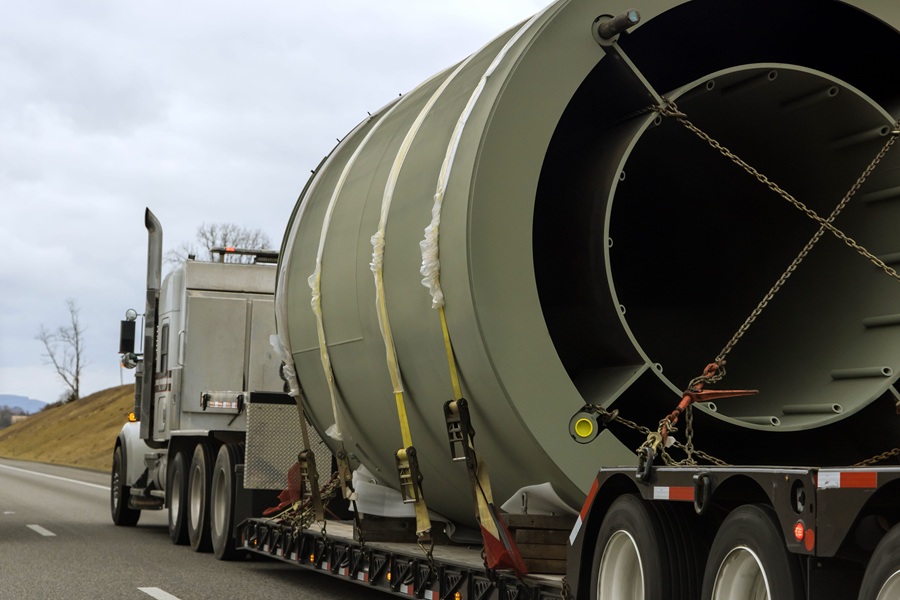
During summer, the demand for goods transport is high, and this could mean that the vehicle is loaded to capacity and the delivery deadline is tight. However, this could put a strain on the suspension, braking system, tyres, and engine, especially when the vehicle is already working under hot conditions.
Instructing the driver on the importance of balancing the load will help in the prevention of uneven wear and tear on the vehicle. A balanced load will ensure smooth driving, reduced braking distance, and vehicle stability, especially during long summer journeys.
Telematics, Monitoring, and Predictive Maintenance
Modern fleet management technology has the ability to help manage the risks associated with summer. For example, telematics systems can be used to monitor the engine temperature, tyre pressure, fuel efficiency, and even the behaviour of drivers.
This information can be used to identify the early warning signs of overheating and other mechanical failures. This helps to ensure that fleets are always operational during the summer season when the cost of downtime is highest.
Driver Training and Summer Readiness
Even the best-maintained fleets benefit from highly trained and knowledgeable drivers. So, training drivers to spot early warning signs like high temperature gauges, odd noises, or warning lights adds extra protection.
Encourage daily vehicle checks, staying hydrated, and being aware of heat. Informed drivers are more likely to report problems early and drive responsibly.
Compliance, Downtime, and Cost Control

Staying compliant with regulations is vital during the summer season. This is because of the risk of roadside inspections, defect notices, and potential fines, which can be a problem if the vehicles are not properly maintained.
Summer maintenance is vital as it can reduce potential downtime, prevent potential fines, and protect your business reputation. When it comes to refrigerated transport, it is vital to be compliant as temperature-related issues can result in business losses.
Conclusion
Summer puts fleet operations to the test, but this does not have to translate into downtime. With a series of inspections, educated drivers, and a positive attitude, fleets can run smoothly despite the extreme temperatures.
In the end, it is routine maintenance that is not just good for fleets, but good for people, goods, and business in general. For fleets that rely on refrigerated delivery services, summer preparedness is not a nicety, but a necessity. With early preparation and rigorous maintenance, fleets can make the most of the summer.
Don't Let the Summer Heat Put Your Cold Chain at Risk
Maintaining a refrigerated fleet through an Australian summer demands more than good intentions. It takes properly serviced vehicles, reliable refrigeration units, and experienced operators who understand the stakes. At OFE Refrigerated Transport, our well-maintained, GPS-enabled fleet is built to keep your temperature-sensitive goods protected, even when the mercury climbs.
Summer conditions can put extra pressure on every delivery. Trust OFE Refrigerated Transport for dependable refrigerated transport solutions that protect your goods every step of the way.
Get a quote today and partner with our refrigerated transport team that takes summer preparedness seriously.